
No products in the cart.
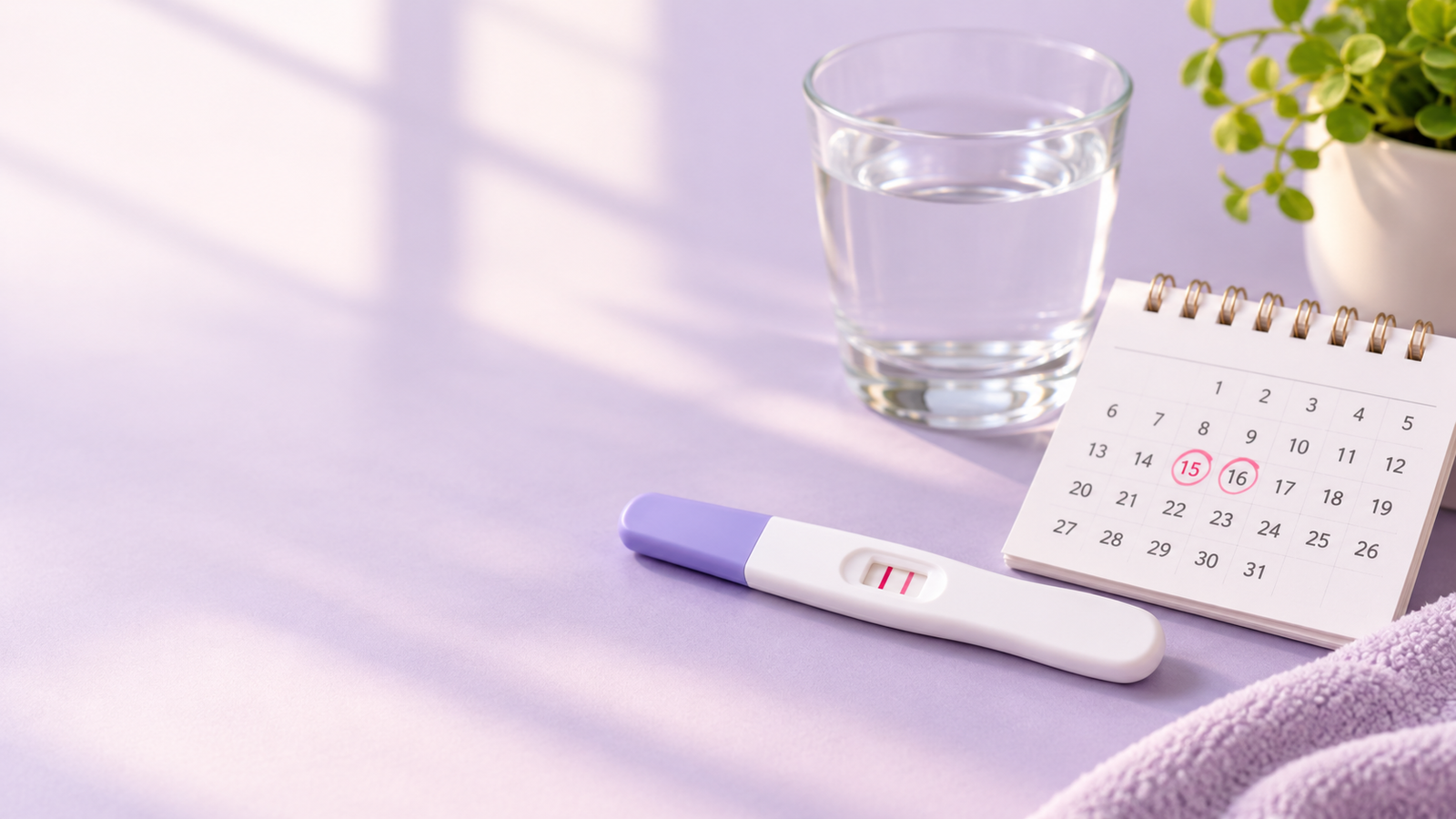
When Should You Take a Pregnancy Test After Unprotected Sex? A Complete Guide
If you have had unprotected sex or experienced contraceptive failure, you may be wondering when to take a pregnancy test after unprotected sex. The most reliable time to take a pregnancy test is from the first day of your missed period. If you do not know when your next period is due, take a test at least 21 days after your last unprotected sex. Testing too early may produce a false-negative result because pregnancy hormone levels may not yet be high enough to detect.
Understanding the right time to test can help you get a more reliable result and make informed decisions about your reproductive health. This guide explains when to test, how home pregnancy tests work, what different results mean, and what steps to take next.
How Soon After Unprotected Sex Can You Take a Pregnancy Test?
Pregnancy tests detect a hormone called human chorionic gonadotrophin (hCG), which your body begins producing after a pregnancy starts developing. However, hCG needs time to reach detectable levels in urine.
Taking a test immediately after sex will not tell you whether you are pregnant from that encounter.
Here is a simple testing timeline:
| Timing | What You Should Know |
|---|---|
| 1–7 days after sex | Usually too early to detect a pregnancy from that encounter |
| Around 14 days after sex | Some tests may detect pregnancy, but a negative result may not be conclusive |
| First day of a missed period | A reliable time to take most home pregnancy tests |
| 21 days after unprotected sex | Recommended if you are unsure when your period is due |
According to the NHS, most pregnancy tests can be used from the first day of a missed period. If you do not know when your period should arrive, testing at least 21 days after unprotected sex is recommended.
Can You Take a Pregnancy Test Before Your Missed Period?
Yes. Some sensitive pregnancy tests are designed to detect pregnancy before your period is due.
However, early testing has limitations. Your hCG level may still be too low to produce a positive result, even if you are pregnant.
If you choose to test early:
- Read the instructions carefully.
- Check whether the test is designed for early detection.
- Understand that a negative result may not be final.
- Repeat the test when your period is due or at least 21 days after unprotected sex if necessary.
For the most dependable result, waiting until your missed period is generally recommended.
How Accurate Are Home Pregnancy Tests?
Home pregnancy tests are generally reliable when used correctly and at the appropriate time.
A positive result is usually highly reliable. A negative result is less reliable if you test too early.
Several factors can affect your result:
- Testing before the recommended time
- Not following the instructions correctly
- Using an expired pregnancy test
- Misreading the result outside the specified time window
Always check the expiry date and follow the manufacturer’s instructions.
How to Take a Home Pregnancy Test Correctly
Taking a home pregnancy test is straightforward, but following the instructions helps reduce the chance of an inaccurate result.
Step 1: Check the expiry date
Make sure the pregnancy test is within its expiry date and that the packaging is undamaged.
Step 2: Read the instructions
Different tests may have different methods. Some require you to hold the test in your urine stream, while others require a urine sample in a clean container.
Step 3: Use the test as directed
Follow the instructions regarding how long to expose the test to urine and how long to wait before reading the result.
Step 4: Read the result at the correct time
Do not interpret the test before or long after the time stated in the instructions.
Step 5: Repeat if necessary
If your result is negative but your period does not arrive, wait a few days and test again.
What Does a Negative Pregnancy Test Mean?
A negative pregnancy test means that the test did not detect enough hCG in your urine to indicate pregnancy.
However, a negative result does not always rule out pregnancy, particularly if you tested too early.
If you receive a negative result:
- Check whether you tested at the correct time.
- Wait a few days before repeating the test if your period has not arrived.
- If you are unsure when your period is due, test at least 21 days after unprotected sex.
- Contact your GP or a sexual health service if you continue to receive negative results but your period remains absent.
A healthcare professional can advise whether further testing is needed.
What Should You Do If Your Pregnancy Test Is Positive?
A positive home pregnancy test usually means you are pregnant.
If your test is positive, consider arranging an appointment with a GP, sexual health clinic or qualified healthcare professional.
They can help you understand your options and discuss appropriate next steps based on your circumstances and preferences.
You do not need to make every decision immediately. Getting accurate information and confidential support can help you decide what is right for you.
What If You Had Unprotected Sex Recently and Do Not Want to Become Pregnant?
If you have had unprotected sex within the last few days and do not want to become pregnant, you may still have time to access emergency contraception.
Emergency contraception is time-sensitive:
- Levonorgestrel emergency contraception is generally used within 72 hours after sex.
- Ulipristal acetate emergency contraception can be used within 120 hours, or five days, after sex.
- A copper intrauterine device (IUD) may also be an option and is the most effective form of emergency contraception.
The sooner you seek advice, the better. Contact a pharmacist, GP or sexual health service promptly to discuss which option may be suitable.
Important: Emergency contraception is intended to prevent pregnancy. It does not end an established pregnancy.
When Should You Seek Medical Advice?
Contact a healthcare professional if:
- Your period is significantly late and pregnancy tests remain negative.
- You have a positive pregnancy test and need advice about your next steps.
- You experience unusual bleeding or persistent abdominal pain.
- You are unsure whether emergency contraception is appropriate.
- You have concerns about sexually transmitted infections after unprotected sex.
Seek urgent medical attention if you experience severe abdominal pain, fainting, or heavy bleeding, particularly if pregnancy is possible.
Frequently Asked Questions
1. How many days after unprotected sex should I take a pregnancy test?
Most pregnancy tests are reliable from the first day of a missed period. If you do not know when your period is due, take a test at least 21 days after your last unprotected sex.
2. Can I take a pregnancy test 7 days after sex?
You can take a test, but it is generally too early for a reliable result from that encounter. A negative result at seven days does not rule out pregnancy.
3. Can a pregnancy test be positive before a missed period?
Yes. Some sensitive tests may detect pregnancy before your period is due. However, early testing is more likely to produce a false-negative result.
4. Should I take a pregnancy test in the morning?
Most home pregnancy tests can be used at any time of the day. If you are testing very early, using your first morning urine may help because it is often more concentrated. Follow the instructions supplied with your test.
5. What should I do if my pregnancy test is negative but my period is late?
Wait a few days and repeat the test. If your period still does not arrive after a second negative result, contact your GP or a healthcare professional for advice.
6. Can emergency contraception affect a pregnancy test?
Emergency contraception does not prevent a pregnancy test from detecting hCG. However, it may affect the timing of your next period, so follow the recommended pregnancy-testing timeline.
7. Where can I get a pregnancy test in the UK?
Home pregnancy tests are available from pharmacies and many supermarkets. You may also be able to obtain a free pregnancy test through NHS sexual health services or your GP.
Final Thoughts
Knowing when to take a pregnancy test after unprotected sex can help you avoid unnecessary uncertainty and reduce the risk of an inaccurate early result.
For most people, testing from the first day of a missed period is the best starting point. If your period is irregular or you are unsure when it is due, wait at least 21 days after unprotected sex.
If you are concerned about pregnancy, emergency contraception, or your test results, speak with a qualified healthcare professional for personalised advice.