No products in the cart.
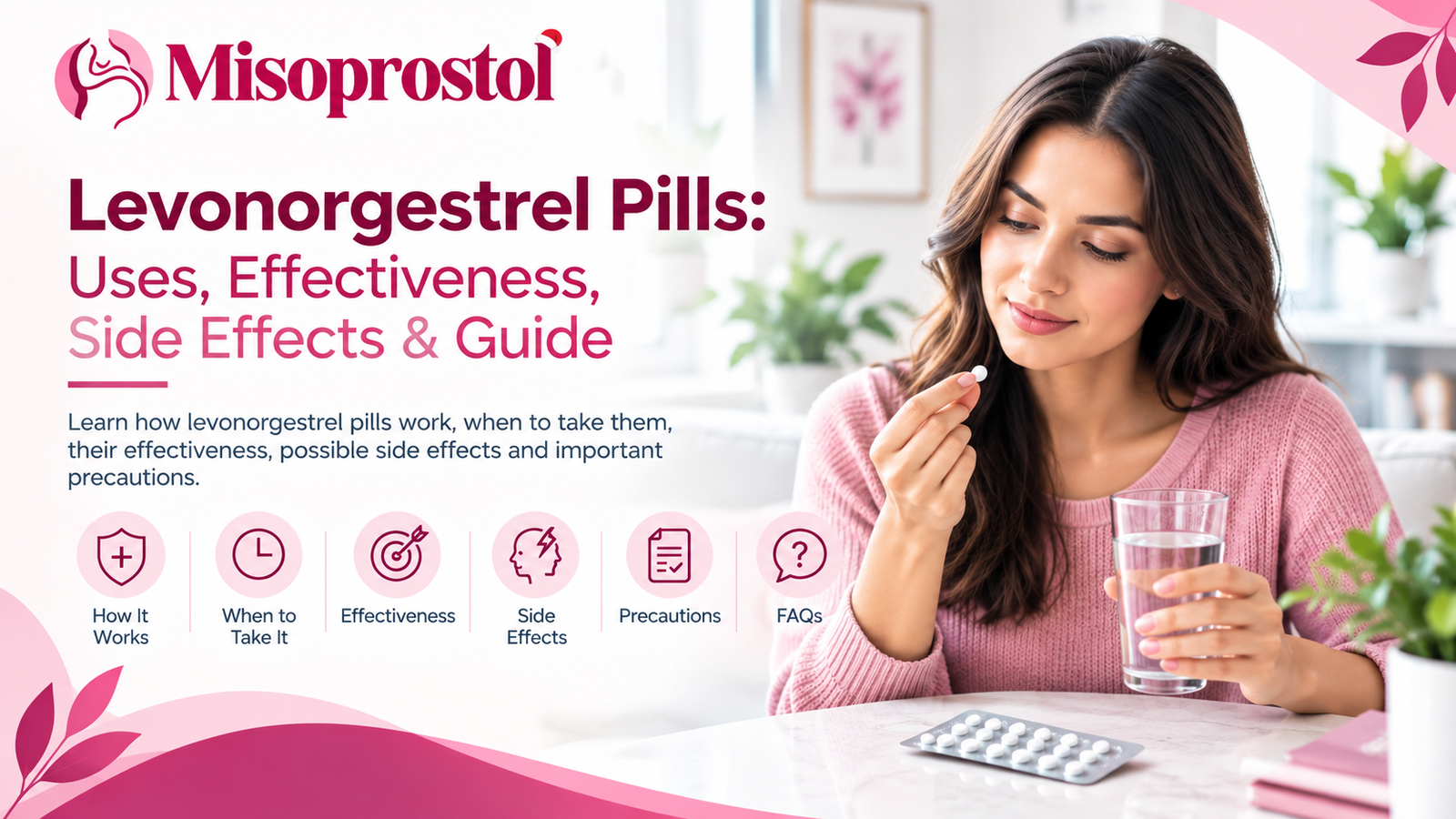
Levonorgestrel Pills: Uses, How They Work, Effectiveness & Side Effects
Levonorgestrel pills are a widely used form of emergency contraception designed to help reduce the chance of pregnancy after unprotected sex or contraceptive failure. They are commonly referred to as the morning-after pill or emergency contraceptive pill.
Understanding when levonorgestrel should be taken, how it works, what side effects may occur, and what to expect afterward can help people make informed decisions about emergency contraception.
This guide explains the key information about levonorgestrel emergency contraception in clear, straightforward language.
Important: Levonorgestrel emergency contraception is intended to prevent pregnancy before it is established. It does not terminate an existing pregnancy and does not protect against sexually transmitted infections (STIs).
What Are Levonorgestrel Pills?
Levonorgestrel is a synthetic progestogen used in several types of contraceptive products. In emergency contraception, levonorgestrel is commonly supplied as a 1.5 mg single oral dose. WHO includes levonorgestrel among its recommended emergency contraceptive pill options.
Emergency contraceptive pills are used after situations in which pregnancy could occur, such as:
- Unprotected sexual intercourse
- A condom breaking or slipping
- Missed or incorrectly taken contraceptive pills
- Failure or incorrect use of another contraceptive method
- Sexual intercourse when contraception was not used
Levonorgestrel is intended as emergency contraception, rather than as a replacement for a regular contraceptive method.
How Does Levonorgestrel Work?
Levonorgestrel primarily works by preventing or delaying ovulation, meaning it can stop or postpone the release of an egg from the ovary.
FDA information on levonorgestrel emergency contraception explains that it works before an egg is released and does not terminate an existing pregnancy. WHO likewise describes emergency contraceptive pills as working primarily by preventing or delaying ovulation.
This is why timing matters. If ovulation has already occurred, levonorgestrel may not be able to prevent pregnancy from that episode of intercourse.
When Should You Take Levonorgestrel Pills?
The sooner levonorgestrel is taken after unprotected sex, the better.
Many levonorgestrel emergency contraceptive products are labeled for use within 72 hours (3 days) after unprotected intercourse or contraceptive failure. FDA guidance specifically recommends taking levonorgestrel emergency contraception as soon as possible within 72 hours.
WHO guidance notes that emergency contraceptive pills can be used within 120 hours in certain circumstances, but effectiveness varies by method and timing. WHO specifically notes that ulipristal acetate is more effective than other emergency contraceptive pills during the 72–120-hour period.
Therefore, if more than 72 hours have passed, it is sensible to speak with a healthcare professional promptly about which emergency contraception option is appropriate.
How Effective Is Levonorgestrel Emergency Contraception?
Levonorgestrel can substantially reduce the risk of pregnancy when used correctly and promptly, but no emergency contraceptive pill is 100% effective.
Its effectiveness depends on several factors, including:
- How soon the pill is taken
- Whether ovulation has already occurred
- Individual circumstances
- Whether another contraceptive failure occurs later in the cycle
WHO reports pregnancy rates of approximately 1.2%–2.1% in studies of levonorgestrel emergency contraceptive pills, although individual effectiveness varies.
The key point is simple: emergency contraception works best when used as soon as possible.
Can Levonorgestrel Work After Ovulation?
Levonorgestrel works mainly by delaying or preventing ovulation. Therefore, it may be less effective if ovulation has already occurred.
It is difficult for many people to know the exact day of ovulation because menstrual cycles can vary. If you are unsure about where you are in your cycle or which emergency contraception option is suitable, a healthcare professional or pharmacist can help.
A copper IUD is another emergency contraception option and can be inserted within five days of unprotected intercourse. WHO describes the copper IUD as the most effective form of emergency contraception.
Is Levonorgestrel the Same as an Abortion Pill?
No.
This is an important distinction.
Levonorgestrel emergency contraception is used to reduce the chance of pregnancy after unprotected sex. It primarily works by delaying or preventing ovulation.
Medicines used for medical abortion are different medicines used to end an established pregnancy.
FDA states that levonorgestrel emergency contraception does not work if someone is already pregnant and does not terminate an existing pregnancy.
What Are the Side Effects of Levonorgestrel Pills?
Most people tolerate levonorgestrel emergency contraception well. When side effects occur, they are generally temporary.
Possible side effects include:
- Nausea
- Headache
- Tiredness
- Dizziness
- Abdominal discomfort or cramps
- Breast tenderness
- Changes in menstrual bleeding
- A period that arrives earlier or later than expected
WHO describes nausea, vomiting, slight irregular vaginal bleeding and fatigue among possible effects of emergency contraceptive pills and notes that these effects are generally mild and resolve on their own.
Can Levonorgestrel Change Your Period?
Yes.
After taking levonorgestrel emergency contraception, the next period may arrive:
- Earlier than expected
- Later than expected
- Heavier than usual
- Lighter than usual
Temporary changes in menstrual bleeding are a recognized effect of emergency contraception.
If your period is significantly later than expected or you have concerns about pregnancy, consider taking a pregnancy test and speaking with a healthcare professional.
What If You Vomit After Taking Levonorgestrel?
Vomiting soon after taking an emergency contraceptive pill can be important because the medicine may not have been fully absorbed.
WHO guidance states that if vomiting occurs within 2 hours of taking an emergency contraceptive pill, the dose should be repeated.
Because product instructions can differ, check the information supplied with your specific medicine or speak with a pharmacist or healthcare professional.
Does Levonorgestrel Affect Future Fertility?
There is no evidence that emergency contraceptive pills cause permanent infertility.
WHO states that emergency contraceptive pills do not harm future fertility and that there is no delay in the return to fertility after their use.
Taking emergency contraception does not mean that future fertility will be reduced.
Can You Take Levonorgestrel More Than Once?
Emergency contraception can be used when needed following another episode of unprotected sex or contraceptive failure.
However, levonorgestrel is not designed to replace regular contraception. Repeated use can result in more menstrual irregularities and is generally a sign that discussing a reliable ongoing contraceptive method may be useful. WHO notes that repeated emergency contraception use poses no known health risks but can increase menstrual irregularities and side effects.
If you regularly need emergency contraception, consider speaking with a healthcare professional about longer-term contraceptive options.
Does Levonorgestrel Protect Against Sex Later in the Cycle?
No.
Taking levonorgestrel after one episode of unprotected sex does not provide ongoing protection against pregnancy from subsequent unprotected sex.
If you have unprotected sex again after taking emergency contraception, there may be another pregnancy risk.
For ongoing protection, use an appropriate regular contraceptive method according to its instructions.
Does Levonorgestrel Protect Against STIs?
No.
Levonorgestrel emergency contraception does not protect against sexually transmitted infections, including HIV.
Condoms can reduce the risk of many STIs when used correctly. If you are concerned about possible STI exposure, appropriate testing and medical advice may be needed.
Medicines That May Affect Levonorgestrel
Some medicines and herbal products can affect the way hormonal contraception works.
Examples can include certain medicines used for:
- Epilepsy
- Tuberculosis
- HIV
- Other conditions treated with enzyme-inducing medicines
Some herbal products, including St John’s wort, can also interact with hormonal contraception.
If you take prescription medicines, over-the-counter medicines, or herbal products, check with a pharmacist or doctor before relying on levonorgestrel emergency contraception.
Body Weight and Emergency Contraception
Body weight and BMI may affect the effectiveness of some emergency contraceptive pills.
WHO notes that emergency contraceptive pills have been found to be less effective in women with obesity, although there are no safety concerns and people with obesity should not be denied access to emergency contraception.
If you have concerns about whether levonorgestrel is the most suitable option for you, discuss alternatives with a healthcare professional.
Levonorgestrel vs Other Emergency Contraception Options
There are several forms of emergency contraception.
| Option | Main information |
|---|---|
| Levonorgestrel pill | Hormonal emergency contraception; works mainly by delaying or preventing ovulation |
| Ulipristal acetate pill | Another emergency contraceptive pill; can be used later after intercourse than levonorgestrel and is particularly useful during the 72–120-hour period |
| Copper IUD | Can be inserted within 5 days and is the most effective emergency contraception option |
WHO recommends emergency contraception options including levonorgestrel, ulipristal acetate and the copper-bearing IUD.
The most appropriate option depends on factors such as how much time has passed, where you may be in your menstrual cycle, other medicines you take, and whether you want ongoing contraception.
When Should You Take a Pregnancy Test?
If your next period is significantly delayed, unusually light, or otherwise different from what you normally experience, consider taking a pregnancy test.
You should also seek medical advice if you develop symptoms that concern you or if you are unsure whether emergency contraception has worked.
Emergency contraception reduces pregnancy risk, but it cannot guarantee that pregnancy will not occur.
When Should You Seek Medical Advice?
Speak with a healthcare professional if:
- You are unsure which emergency contraception option is appropriate
- More than 72 hours have passed since unprotected sex
- You vomit soon after taking levonorgestrel
- Your period is significantly delayed
- You think you may be pregnant
- You take medicines that could interact with hormonal contraception
- You experience severe or unusual abdominal pain
- You need emergency contraception repeatedly
Severe abdominal pain, particularly when pregnancy is possible, should be assessed promptly by a healthcare professional.
Frequently Asked Questions About Levonorgestrel Pills
1. What are levonorgestrel pills used for?
Levonorgestrel pills can be used as emergency contraception after unprotected sex or contraceptive failure to reduce the chance of pregnancy.
2. How soon should I take levonorgestrel?
Take it as soon as possible after unprotected sex. Many levonorgestrel products are intended for use within 72 hours.
3. Is levonorgestrel an abortion pill?
No. Levonorgestrel emergency contraception works primarily by preventing or delaying ovulation and does not terminate an established pregnancy.
4. Can levonorgestrel make my period late?
Yes. Emergency contraception can temporarily change the timing and flow of your next period.
5. Can levonorgestrel cause infertility?
There is no evidence that emergency contraceptive pills cause permanent infertility.
6. Does levonorgestrel protect against STIs?
No. It only addresses pregnancy risk and does not protect against STIs.
7. Can I use emergency contraception more than once?
Emergency contraception can be used again when needed, but it is not intended to replace an ongoing contraceptive method. Repeated use may cause more menstrual irregularities.
8. What should I do if I vomit after taking levonorgestrel?
If you vomit within two hours, WHO recommends repeating the dose. Check your specific product instructions or consult a healthcare professional for advice.
Final Takeaway
Levonorgestrel pills are an established form of emergency contraception that can reduce the chance of pregnancy after unprotected sex or contraceptive failure. They work primarily by delaying or preventing ovulation, which is why taking the pill as soon as possible is important.
Levonorgestrel should not be confused with medication used for medical abortion, and it does not provide protection against sexually transmitted infections. It is also not intended to replace regular contraception.
If you are unsure whether levonorgestrel is suitable for your situation, particularly if more than 72 hours have passed, you take other medicines, or you have concerns about pregnancy, speak with a qualified healthcare professional or pharmacist.
Medical disclaimer: This article provides general educational information and is not a substitute for individualized medical advice, diagnosis, or treatment. Always read the patient information supplied with your specific medicine and consult a qualified healthcare professional when you have questions about emergency contraception.