
No products in the cart.
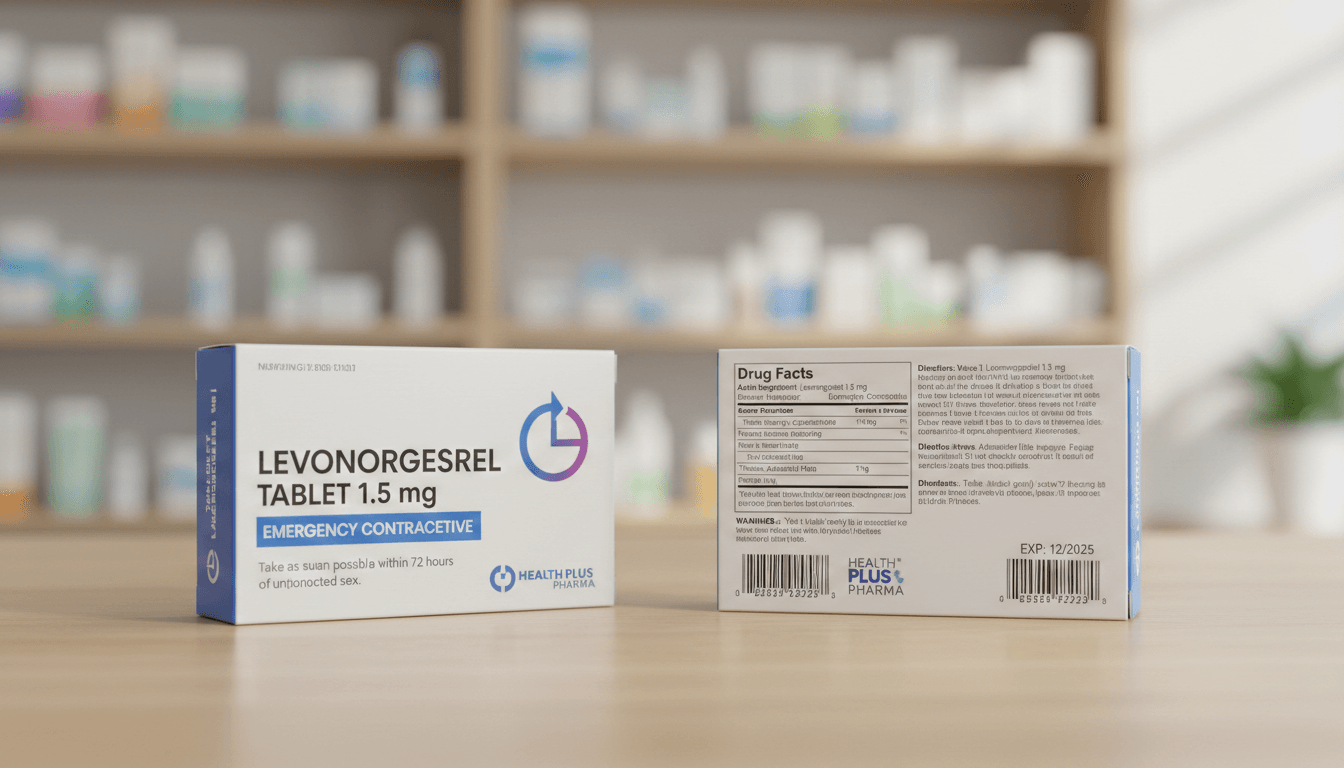
What Are Levonorgestrel Tablets and How Do They Work?
When it comes to preventing unintended pregnancy after unprotected sex, levonorgestrel tablets are one of the most trusted and widely used options worldwide. Often referred to as the “morning-after pill,” this emergency contraceptive can significantly reduce the chances of pregnancy when taken correctly and on time.
In this comprehensive guide, we’ll explain what levonorgestrel tablets are, how they work, when to use them, their effectiveness, side effects, and important safety tips. Whether you’re looking for quick answers or in-depth knowledge, this article will help you make informed decisions about your reproductive health.
What Are Levonorgestrel Tablets?
Levonorgestrel tablets are a type of emergency contraception designed to prevent pregnancy after unprotected sex or contraceptive failure (such as a broken condom or missed birth control pills).
Key Features:
- Contain a synthetic hormone called levonorgestrel (a form of progesterone)
- Available over-the-counter in many countries
- Most effective when taken within 72 hours (3 days) of unprotected intercourse
- Can reduce pregnancy risk by up to 85–95% if taken early
How Do Levonorgestrel Tablets Work?
Levonorgestrel tablets work primarily by preventing or delaying ovulation (the release of an egg from the ovary).
Main Mechanisms:
- Stops Ovulation
- Prevents the ovary from releasing an egg
- Without an egg, fertilization cannot occur
- Thickens Cervical Mucus
- Makes it harder for sperm to reach the egg
- Alters the Uterine Lining
- Reduces the chance of implantation (less significant role)
⚠️ Important: Levonorgestrel tablets do NOT terminate an existing pregnancy and are not the same as abortion pills.
When Should You Take Levonorgestrel Tablets?
Timing is critical for effectiveness.
Best Time to Take:
- Within 24 hours: Highest effectiveness (up to 95%)
- Within 48 hours: Still effective (~85%)
- Within 72 hours: Moderate effectiveness
Situations to Use:
- Unprotected sex
- Condom breakage or slippage
- Missed birth control pills
- Sexual assault
How to Take Levonorgestrel Tablets
Dosage Instructions:
| Type | Dosage |
|---|---|
| Single-dose pill | 1 tablet (1.5 mg) |
| Two-dose option | 2 tablets (0.75 mg each, 12 hours apart) |
Tips:
- Take as soon as possible after unprotected sex
- Can be taken with or without food
- If vomiting occurs within 2 hours, consult a doctor (may need to repeat dose)
Effectiveness of Levonorgestrel Tablets
The effectiveness depends on timing and body factors.
Effectiveness Factors:
- Time since intercourse
- Body weight (may be less effective in higher BMI)
- Stage of menstrual cycle
Quick Overview:
- Within 24 hours: ~95% effective
- Within 72 hours: ~75–89% effective
Benefits of Levonorgestrel Tablets
- Easy to use and widely available
- No prescription required in many regions
- Safe for most women
- Prevents unintended pregnancies effectively
- Can be used in emergency situations
Possible Side Effects
Most side effects are mild and temporary.
Common Side Effects:
- Nausea or vomiting
- Fatigue
- Headache
- Dizziness
- Breast tenderness
- Irregular bleeding
Menstrual Changes:
- Period may come earlier or later
- Flow may be lighter or heavier than usual
If your period is delayed by more than 7 days, take a pregnancy test.
Who Can Use Levonorgestrel Tablets?
Most women can safely use levonorgestrel tablets.
Suitable For:
- Women of reproductive age
- Those who cannot use regular hormonal contraception
- Occasional emergency use
Not Recommended If:
- Already pregnant
- Allergic to levonorgestrel
- Severe unexplained vaginal bleeding
Levonorgestrel Tablets vs Other Emergency Contraceptives
| Method | Time Limit | Effectiveness | Prescription |
|---|---|---|---|
| Levonorgestrel tablets | 72 hours | Moderate–High | No |
| Ulipristal acetate | 120 hours | Higher | Yes |
| Copper IUD | 5 days | Highest | Yes |
Real-Life Example
Scenario:
Priya had unprotected sex due to a condom failure. She took a levonorgestrel tablet within 12 hours.
Outcome:
Her chances of pregnancy were significantly reduced, and her period arrived a few days earlier than expected—completely normal after taking emergency contraception.
Tips for Safe and Effective Use
- Take the pill as soon as possible
- Do not use as a regular contraceptive method
- Keep a backup contraceptive plan
- Track your menstrual cycle after use
- Consult a doctor if unsure or experiencing unusual symptoms
Common Myths About Levonorgestrel Tablets
Myth 1: It causes abortion
Fact: It prevents pregnancy, not terminates it
Myth 2: It affects future fertility
Fact: No long-term impact on fertility
Myth 3: It works anytime
Fact: Works best within 72 hours
FAQ Section
1. How often can I use levonorgestrel tablets?
You can use them more than once, but they are not recommended for regular contraception.
2. Can I take it during my period?
Yes, but effectiveness depends on ovulation timing.
3. Does it protect against STDs?
No, it only prevents pregnancy.
4. What if I vomit after taking the pill?
If vomiting occurs within 2 hours, consult a doctor.
5. Can I take it twice in one cycle?
Yes, but it may cause menstrual irregularities.
6. Is it safe for teenagers?
Yes, it is generally safe.
7. When should I take a pregnancy test?
If your period is more than 7 days late.
Conclusion
Levonorgestrel tablets are a safe, effective, and accessible option for emergency contraception when used correctly. They work mainly by delaying ovulation and are most effective when taken as soon as possible after unprotected sex.
While they are a reliable backup method, they should not replace regular contraception. Understanding how they work, their limitations, and proper usage can help you take control of your reproductive health confidently and responsibly.