
No products in the cart.
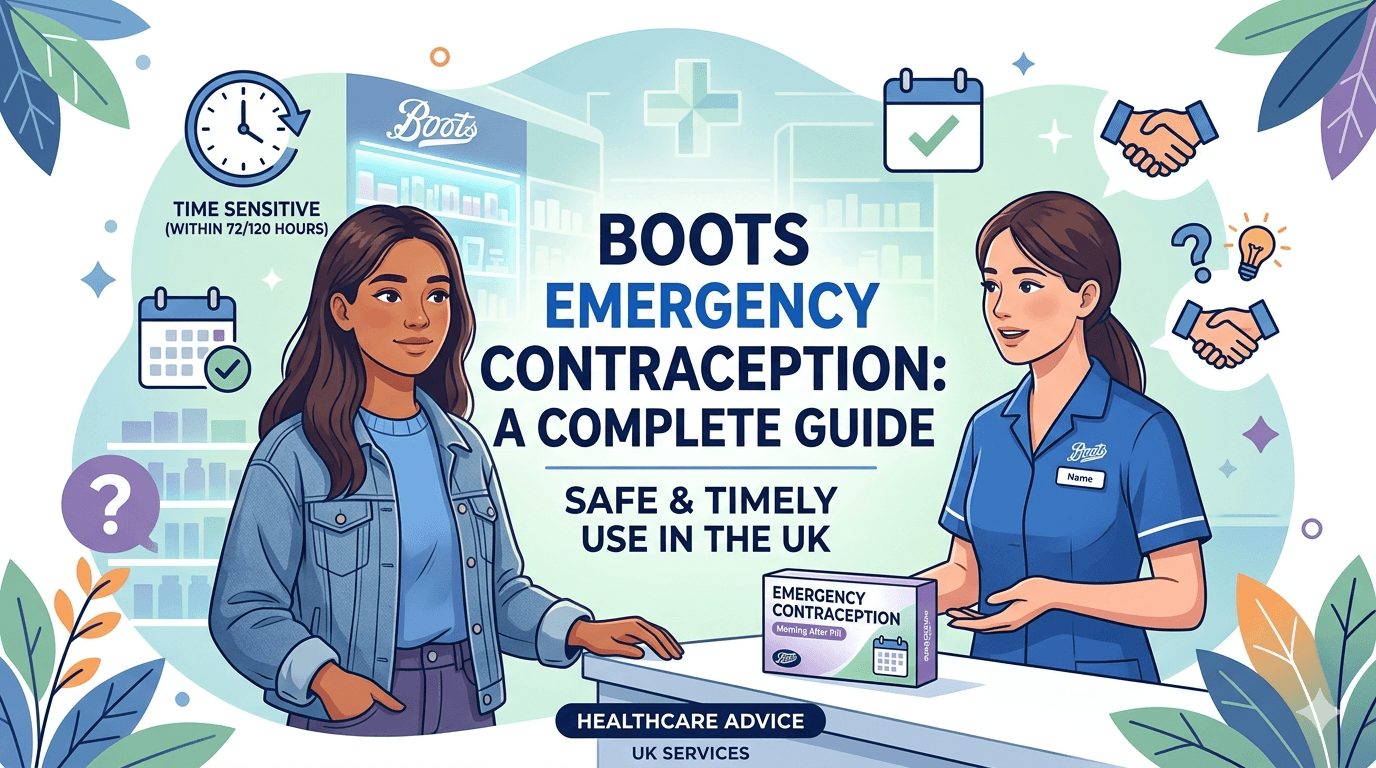
Boots Emergency Contraception: A Complete Guide to Safe and Timely Use in the UK
Unexpected situations can happen, and knowing your options quickly is essential for protecting your reproductive health. Whether it’s due to unprotected intercourse or contraceptive failure, emergency contraception offers a safe and effective solution when used correctly and within the recommended timeframe.
One widely recognized option available across the UK is boots emergency contraception, which provides accessible support for individuals seeking timely intervention. Understanding how it works, when to take it, and what to expect can help you make informed decisions without panic or confusion.
In this guide, we’ll walk you through everything you need to know—from effectiveness and safety to common concerns—so you can act with confidence.
What Is Emergency Contraception?
Emergency contraception refers to methods used to prevent pregnancy after unprotected sex or contraceptive failure. It is not intended for regular use but serves as a backup option.
Common Types Include:
- Emergency contraceptive pills (morning-after pills)
- Copper intrauterine device (IUD)
These methods work primarily by delaying ovulation or preventing fertilization. They do not terminate an existing pregnancy.
How Boots Emergency Contraception Works
Emergency contraceptive pills available through pharmacies typically contain hormones that delay or prevent ovulation. If ovulation does not occur, fertilization cannot happen.
Key Mechanism:
- Prevents or delays egg release
- Alters cervical mucus to hinder sperm movement
- May prevent fertilized egg implantation (depending on timing)
The effectiveness depends heavily on how soon the pill is taken after unprotected sex.
When Should You Take Emergency Contraception?
Timing is critical. The sooner you take emergency contraception, the more effective it is.
Recommended Timeframes:
- Within 24 hours: Highest effectiveness
- Within 72 hours (3 days): Still effective
- Up to 120 hours (5 days): Some options remain effective
Delaying treatment reduces the chance of preventing pregnancy.
Who Can Use Emergency Contraception?
Most women can safely use emergency contraception. It is suitable for those who:
- Had unprotected sex
- Missed regular contraceptive pills
- Experienced condom breakage
- Were unable to use contraception
However, it may not be suitable if:
- You are already pregnant
- You have certain medical conditions (consultation recommended)
Effectiveness: What You Should Know
Emergency contraception is effective, but it is not 100% guaranteed.
Factors That Influence Effectiveness:
- Time taken after intercourse
- Type of pill used
- Body weight or BMI
- Individual hormonal response
General Effectiveness Rates:
- Up to 95% effective if taken within 24 hours
- Around 85% effective within 72 hours
For maximum protection, early use is essential.
What to Expect After Taking the Pill
After taking emergency contraception, your body may respond in different ways.
Common Effects:
- Nausea
- Fatigue
- Headache
- Breast tenderness
- Changes in next period timing
Your next menstrual cycle may come:
- Earlier than expected
- Later than usual
- Slightly heavier or lighter
If your period is more than 7 days late, consider taking a pregnancy test.
Is It Safe? Understanding Risks and Side Effects
Emergency contraception is considered safe for most individuals and has been widely studied.
Safety Highlights:
- No long-term impact on fertility
- Safe for occasional use
- Does not affect future pregnancies
Possible Side Effects:
- Mild and temporary
- Usually resolve within a few days
Serious complications are extremely rare. If severe symptoms occur, seek medical advice.
Emergency Contraception vs Regular Birth Control
It’s important to understand that emergency contraception is not a replacement for regular contraception.
Key Differences:
| Emergency Contraception | Regular Contraception |
|---|---|
| Used after intercourse | Used before intercourse |
| Occasional use | Ongoing protection |
| Less effective overall | More reliable long-term |
For ongoing protection, consider methods like:
- Oral contraceptive pills
- Condoms
- Implants or IUDs
Accessing Emergency Contraception in the UK
Emergency contraception is widely accessible across the UK through:
- Pharmacies
- GP clinics
- Sexual health clinics
Pharmacists may ask a few questions to ensure the medication is suitable and safe for you.
Responsible Use and Awareness
Using emergency contraception responsibly means:
- Not relying on it as primary birth control
- Understanding timing and effectiveness
- Being aware of your menstrual cycle
- Seeking advice when unsure
Education and awareness play a key role in preventing unintended pregnancies.
The Role of Trusted Information Sources
Access to reliable information is essential when making decisions about reproductive health. Platforms like Misoprostol UK aim to provide educational, accurate, and supportive resources to help individuals understand their options safely and responsibly.
It’s always recommended to consult healthcare professionals for personalized advice.
When to Seek Medical Advice
You should consider consulting a healthcare provider if:
- You vomit within 2 hours of taking the pill
- Your period is significantly delayed
- You experience severe abdominal pain
- You have ongoing concerns or questions
Timely guidance ensures better outcomes and peace of mind.
Myths and Misconceptions
There are many misconceptions surrounding emergency contraception.
Common Myths Debunked:
- Myth: It causes abortion
Fact: It prevents pregnancy before it starts - Myth: It affects future fertility
Fact: No long-term fertility impact - Myth: It’s unsafe
Fact: It is medically approved and safe - Myth: It can be used regularly
Fact: It is intended for emergency use only
Understanding the facts helps reduce fear and stigma.
Conclusion: Making Informed and Confident Choices
Emergency contraception is a valuable option when used correctly and responsibly. Knowing how it works, when to take it, and what to expect can make a significant difference in outcomes.
If you ever find yourself in need of urgent contraceptive support, staying informed and acting quickly is key. Reliable platforms like Misoprostol UK continue to provide essential educational resources, helping individuals navigate sensitive health decisions with confidence and clarity.
Remember, your health and well-being come first—never hesitate to seek professional advice when needed.
FAQs
1. How many times can I use emergency contraception?
You can use it more than once, but it is not recommended as a regular method. Frequent use may lead to cycle irregularities.
2. Does emergency contraception work if I am already ovulating?
Its effectiveness may be reduced if ovulation has already occurred.
3. Can I take it more than once in a cycle?
Yes, but it is better to use regular contraception for ongoing protection.
4. Will it protect me from future unprotected sex?
No, it only works for a specific incident and does not provide ongoing protection.
5. When should I take a pregnancy test after using it?
If your period is delayed by more than 7 days, take a pregnancy test.